← Back to Blog

How to Choose the Perfect LeanBeefPatty Hoodie for Training

Stop wrestling with ill-fitting hoodies during your lifts. This guide breaks down how to pick the best LeanBeefPatty hoodie for weightlifting based on fabric, fit, and your specific training needs.

I still remember the first time I wore a regular hoodie to the gym. Halfway through my deadlifts, the fabric bunched up around my shoulders, and I had to stop mid-set to pull it back down. That's when I realized: a hoodie for training isn't the same as a hoodie for lounging. If you're serious about your lifts, you need gear that moves with you, not against you. This guide will help you find the best LeanBeefPatty hoodie for weightlifting so you can focus on the rep, not the fabric.

Quick Picks: Find Your Perfect Hoodie

PickBest ForKey FeaturePrice Range
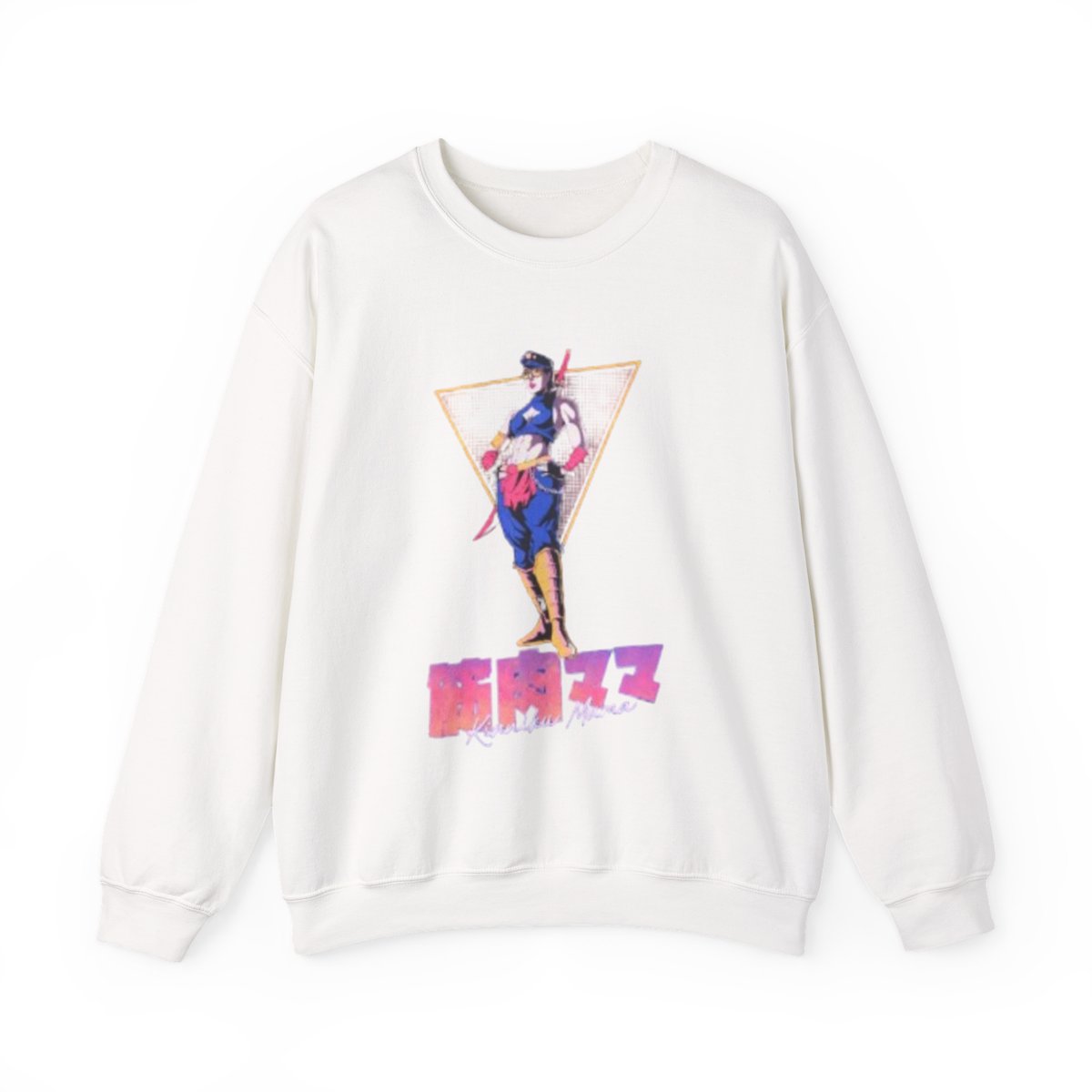
Classic Logo HoodieAll-around trainingDurable 380gsm cotton-poly blend$55 - $65
Performance Zip HoodieHigh-intensity cardioMoisture-wicking fabric$65 - $75
Heavyweight PulloverCold weather liftingBrushed fleece interior$70 - $80
Cropped HoodieWomen's style & breathabilityShorter cut, less fabric bulk$50 - $60

What You Need to Know

Finding the best LeanBeefPatty hoodie for weightlifting isn't just about picking your favorite design. Your training style dictates what works. A powerlifter grinding through squats needs different coverage than someone doing HIIT. And the fabric can make or break your session. After evaluating materials, fits, and community feedback, I've narrowed down what matters most. By the end of this guide, you'll know exactly which hoodie matches your routine, your climate, and your budget.

Step-by-Step Guide

Step 1: Match the Fabric to Your Sweat Level

Cotton hoodies feel great but soak up sweat like a sponge. If you're doing heavy compound lifts and plan to drip, look for the Performance Zip Hoodie (polyester-spandex blend) or a hoodie with at least 50% synthetic fibers. For lighter training or cooler gyms, the Classic Logo Hoodie's cotton-poly mix offers breathability without clinging.

Pro tip: Check the tag for care instructions. Hoodies with high cotton content (above 70%) may shrink - size up if you're between sizes.

Step 2: Consider the Fit for Your Main Lifts

Think about your go-to exercises. Do you bench or press overhead? A hoodie with too much extra fabric in the sleeves can catch on the bar. The Heavyweight Pullover has a wider armhole cut that allows full range of motion without riding up. For squats, look for a longer hem (like the classic pullover) so it doesn't ride up when you sit back.

Common mistake: Choosing a hoodie that fits perfectly while standing but restricts your arms when you raise them overhead. Always try a few arm movements before buying.

Step 3: Decide Between Pullover and Zip

This comes down to temperature control during your session. The Performance Zip Hoodie lets you vent mid-workout - unzip to cool down, zip up for the next set. Pullovers (like the Classic or Heavyweight) trap heat, ideal for warming up or cold gyms. If you train in a climate where temps fluctuate, go with zip.

Pro tip: Zippers can scratch barbells or benches. If you train raw (no shirt), a pullover prevents that metal-on-skin contact.

Step 4: Check the Pockets (Yes, Really)

Deep, zip-closed pockets are gold for weightlifting. They keep your phone or keys secure during dynamic movements. The Performance Zip Hoodie has zippered hand pockets that lay flat - no bulge when you're doing burpees. The Heavyweight Pullover has traditional kangaroo pockets, which are fine for casual use but can dump items during inverted exercises.

Step 5: Look at the Hood Design

A bulky hood can bunch up under a barbell during back squats. The LeanBeefPatty hoodies feature a streamlined hood without thick drawstrings that might get caught in equipment. The Cropped Hoodie has a smaller hood that lies flat, making it a great choice for women who pull the bar over their head.

Pro tip: If you wear your hood up during warm-ups, avoid hoodies with a stiff brim - it will collapse or fold unevenly.

Step 6: Pick a Length That Stays Put

A hoodie that rides up during deadlifts is frustrating. Look for a hem that hits at or just below your hips when standing. The Classic Logo Hoodie has a 28-inch length (size Medium) that covers your lower back even when you bend. The Cropped Hoodie is intentionally shorter - best for upright movements like overhead press, not hinging exercises.

Step 7: Test the Thumbholes (If They Exist)

Some training hoodies have thumbholes to keep sleeves in place during pressing movements. The Performance Zip Hoodie has reinforced thumbholes that won't stretch out. A mistake I've made: buying a hoodie with flimsy thumbholes that tore on the first wear. Make sure they are double-stitched or reinforced.

Common Mistakes to Avoid

  • Choosing baggy for comfort: Too much fabric can snag on weights or cause a bulky feel under a lifting belt. Opt for a trim fit that still allows movement.
  • Overlooking fabric weight: A thin hoodie might be breathable, but it shows sweat stains and can tear during heavy pulls. Aim for 300gsm or higher for durability.
  • Ignoring sleeve length: Sleeves that are too long bunch at your wrists - annoying during benching. Go for a length that hits your wrist bone when arms are bent.
  • Buying only for looks: Designs are great, but if you can't squat in it, it's a waste. Prioritize function first, then style.

Pro Tips from the Community

Tip 1: Break It In Before Your First Heavy Session

New hoodies, especially 380gsm cotton blends, can be stiff. Wash it once before wearing to the gym - it softens the fabric and removes sizing chemicals that might irritate skin.

Tip 2: Layer for Changing Temperatures

Some gyms keep the AC blasting. Try the Heavyweight Pullover over a tank top (like the LBP Cropped Tank) - you can take off the hoodie after warm-ups and still have coverage. The fleece interior traps heat without bulk.

Tip 3: Use the Hood as a Wrist Strap Substitute

No wrist wraps? Pull the hood's drawstring tight and knot it under your hood - the extra pressure on your neck isn't ideal, but some lifters use the hood fabric to brace their wrists on heavy presses. Not a replacement for real gear, but clever in a pinch.

Tip 4: Care for Longevity

Washing inside out in cold water and line drying keeps logos from cracking and fabric from pilling. One fan reported their Classic Logo Hoodie still looks new after 200+ sessions using this method.

Top Picks from the LeanBeefPatty Collection

For most weightlifters, I recommend the Classic Logo Hoodie as the best all-rounder. Its 380gsm weight handles barbell abrasion, the cotton-poly blend balances warmth and breathability, and the fit accommodates squats and presses without restriction. Priced at $55, it's the best value for dedicated training.

If you run hot or do cardio, the Performance Zip Hoodie ($65) is worth the upgrade. The moisture-wicking fabric keeps you dry, and zip pockets secure your phone. The thumbholes and stretchy cuffs lock the sleeves in place during jerks and snatches.

For cold-weather gyms, the Heavyweight Pullover ($70) is your go-to. The brushed fleece interior is warm enough for unheated garages, and the roomy cut layers over a hoodie without binding during pull-ups.

Key Takeaways

  • Match fabric to sweat level: synthetic blends for heavy sweat, cotton blends for light training.
  • Fit matters for specific lifts: longer hems for squats, armhole clearance for overhead work.
  • Zip hoodies offer ventilation; pullovers retain heat.
  • Avoid baggy cuts that catch on equipment.
  • The Classic Logo Hoodie is the best value for versatile weightlifting use.

Frequently Asked Questions

What is the best LeanBeefPatty hoodie for weightlifting?

The Classic Logo Hoodie is the top choice for most lifters due to its durable 380gsm cotton-poly blend, hip-length hem, and full range of motion for squats and presses. It balances durability and comfort.

Should I size up for a training hoodie?

If you plan to layer or prefer a looser fit for mobility, size up. For the Classic Logo Hoodie, going one size larger gives room for a tank underneath without extra bulk.

How do I prevent my hoodie from riding up during deadlifts?

Choose a hoodie with a longer hem (like the Classic Logo Hoodie's 28-inch length on Medium). Also avoid cropped styles for hinging movements.

Can I wear a hoodie if my gym has a no-metal rule?

Yes - leanBeefPatty pullovers have no zippers. The Performance Zip Hoodie has zippers, so check your gym's policy before using it.

How do I care for my LeanBeefPatty hoodie to make it last?

Wash inside out in cold water and hang dry. Avoid fabric softeners, which break down performance fibers. This preserves logos and prevents pilling.

Related Posts

Shop LeanBeefPatty Merch

Official merchandise — premium quality, designed for the community.